





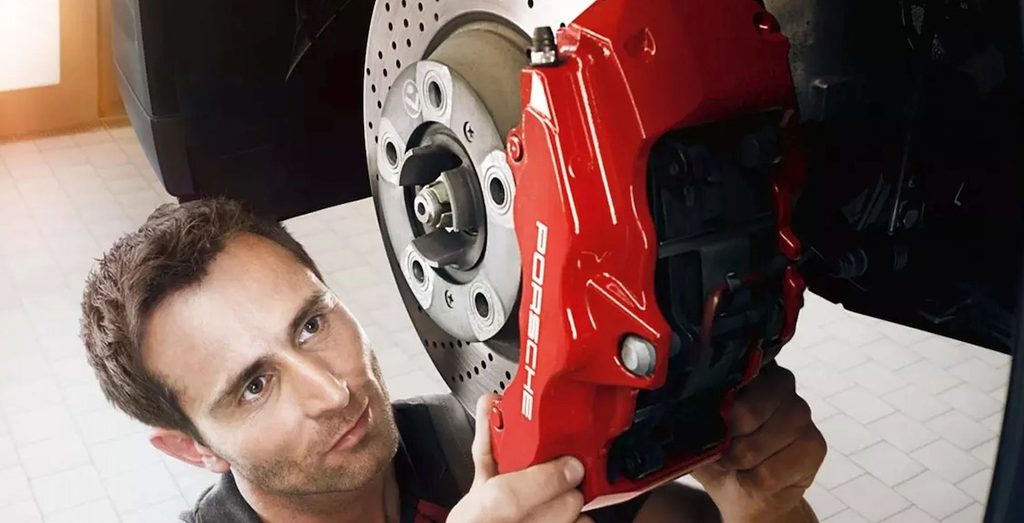
It’s a simple thing; you press your brake pedal, and your car slows and comes to a stop. But there’s more to it than that. When you hit the brakes, several different components work together to get the job done. We’re here to let drivers in Batesville, AR know what the key components that make up your brake system are, so you know what to look for – and when to get things checked to avoid a bigger problem down the road.
What Are the Main Components of Your Brakes?
Your brake components include brake pads, rotors, calipers, brake lines, and the master cylinder. Each one plays a specific role in slowing and stopping your vehicle safely. When any one of these parts wears down or fails, your braking performance can be affected.
What Do Brake Pads Do?
Brake pads press against the rotor to slow and stop your vehicle. They’re designed to wear down over time, which is why they need regular inspection and replacement. Most pads include a wear indicator that creates a squealing sound when they get too thin – that’s your signal to have your brakes checked soon.
What Is a Brake Rotor?
The rotor is a large disc that spins with your wheel. When you apply the brakes, the caliper squeezes the pads against the rotor to create friction and slow the vehicle. Rotors can develop grooves or warping over time, which may cause vibration or pulsing when you brake. Worn rotors should be resurfaced or replaced.
What Does the Caliper Do?
The brake caliper houses the brake pads and uses hydraulic pressure to push them against the rotor. Calipers can stick or seize over time, which may cause uneven braking or a dragging sensation. A stuck caliper is often the reason a vehicle pulls to one side when braking.
What Is the Master Cylinder?
The master cylinder is the heart of your hydraulic brake system. When you press the pedal, it converts that mechanical force into hydraulic pressure, which travels through the brake lines to activate each caliper. If your brake fluid level drops or the master cylinder begins to fail, you may notice a soft or spongy pedal feel.
What Are Brake Lines?
Brake lines carry hydraulic fluid from the master cylinder to the calipers at each wheel. They’re typically made of steel or reinforced rubber. Over time, rubber lines can crack and steel lines can corrode, which may lead to fluid leaks and reduced braking effectiveness. Inspecting your brake lines during routine service is always a good idea.
When Should You Have Your Brakes Inspected?
A general rule of thumb is to have your brakes inspected at least once a year or whenever you notice changes in performance – like squealing, grinding, vibrating, or longer stopping distances. Understanding your brakes doesn’t require a degree in mechanics. This FAQ should give you a solid foundation for knowing what each component does and why it’s important. From the pads and rotors to the master cylinder and brake lines, every part plays a role in keeping you safe. Stop by Stanley Wood Chevrolet in Batesville, AR, and let the certified service team take a look at your brakes today.
Connect with us


